The short answer
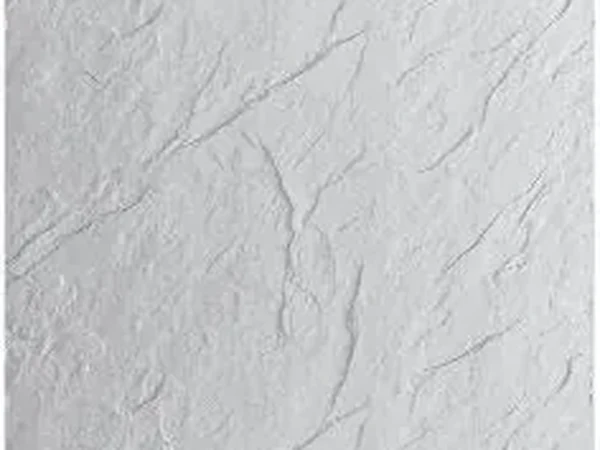
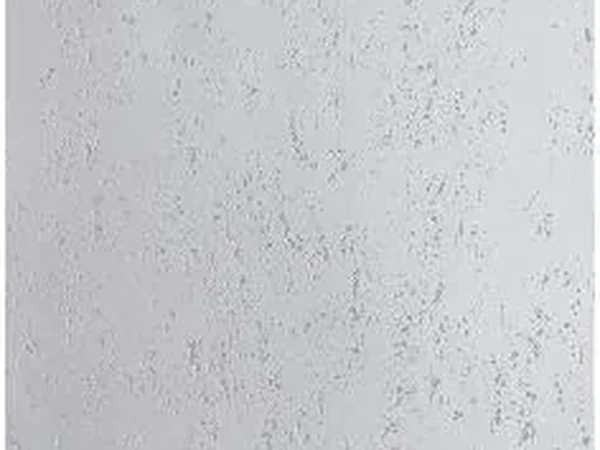
“Flexible stone” describes a format and use case more than one universal material recipe. Depending on the supplier, the term may refer to a thin natural-stone-faced sheet on a backing, an engineered mineral-composite surface, or another thin decorative architectural finish. Those constructions should not be treated as interchangeable without checking the named product.
For Lithvanta, the practical starting point is the project requirement: visual direction, substrate, curvature, panel format, thickness, exposure and installation system. Exact product data should then be checked at family level before specification.
Why the terminology gets confusing
Search results use overlapping phrases such as flexible stone, flexible stone veneer, thin stone veneer, MCM and soft stone. Different manufacturers may use these labels for materially different products. Some industry guides distinguish a continuous natural-stone face on a flexible backing from formed mineral-composite products.
That distinction matters because composition affects cutting, bonding, detailing, testing and exterior suitability. Project teams should therefore work from the current product data rather than assuming that every “flexible stone” sheet behaves the same way.
What makes the format useful
Lower bulk
Thin surface sheets can reduce the build-up associated with thick slabs. That can matter in refurbishment, feature walls and fit-out work where existing conditions limit added depth.
Curved geometry
Some flexible surface families can follow curved walls, columns and shaped elements that are awkward for rigid panels. The achievable radius is product-specific and should be verified before geometry is frozen.
Large visual surfaces
Large-format sheets can create continuous material effects across walls and architectural features while reducing the number of rigid pieces that would otherwise need to be cut and aligned.
Adhesive-bonded installation
Many thin architectural surfaces are installed over a prepared substrate using a compatible adhesive system. Substrate preparation, adhesive choice, seam detailing and curing remain critical.
Where designers typically consider it
Flexible architectural surfaces are commonly evaluated for feature walls, reception areas, hospitality interiors, retail fit-outs, columns, curved wall forms and selected renovation projects. Exterior use should be assessed family by family rather than assumed across the entire category.
- Curved walls and columns
- Hotel, restaurant and retail interiors
- Reception and branded feature walls
- Renovation overlays where added thickness matters
- Selected facade or exterior systems when the specific family is documented for that exposure
What to verify before you specify
| Check | Why it matters |
|---|---|
| Product construction | Clarifies whether the visible surface is natural stone-faced, engineered mineral composite, or another construction. |
| Thickness and panel format | Controls build-up, detailing, transport, cutting and joint planning. |
| Weight | Affects handling and substrate/adhesive decisions. Compare values for the exact panel size. |
| Curvature / bend limit | Prevents a design radius from being approved before material capability is confirmed. |
| Substrate and adhesive | The surface is only one part of the installed assembly. |
| Interior / exterior suitability | Exposure, climate and project requirements vary. |
| Test documentation | Fire, weather, water and other claims should be matched to the named product and relevant test standard. |
Lithvanta’s current catalog approach
Lithvanta organizes the current catalog into 40 surface families and 512 reviewed finish options. Thickness and panel formats are not presented as one universal specification: they vary by family, and the individual family pages show the catalog values currently associated with that family.
This is intentional. A buyer should be able to shortlist a visual direction first, then confirm the exact family data, request physical samples and send project basics for quotation.
Frequently asked questions
Is flexible stone always real natural stone?
No. The market term is used for more than one construction. Some products use a natural-stone face on a backing; others are engineered mineral-composite surfaces. Confirm the exact family before specifying.
Can all flexible stone be used outdoors?
No. Exterior suitability should be confirmed for the exact product family, adhesive system and wall assembly rather than assumed from the category name.
Does flexible stone bend to any radius?
No. Bend capability depends on construction, thickness, texture, format and orientation. Confirm the allowable radius with the selected product before fixing the geometry.
Turn the guide into a material shortlist.
Browse Lithvanta surface families, request physical samples, or send the project geometry and finish direction for a quotation.
Sources & further reading
- Lithvanta — current surface family catalog
- HeyMaterials — real flexible stone veneer vs MCM terminology
Editorial note: Lithvanta uses AI-assisted research and drafting as part of its content workflow. Product facts are checked against current catalog data where available. Material-specific claims, test reports, exposure limits and installation systems should be confirmed for the exact family before specification. Read our editorial policy.