Why curves change the material decision
A rigid stone, tile or slab system can create beautiful curved architecture, but it usually requires segmentation, special fabrication, smaller units, thicker build-ups or a different support strategy. A thin flexible finish can simplify some of those constraints by following the geometry of a prepared substrate.
The word flexible should not be read as “infinitely bendable.” The correct question is whether the selected family can follow the project radius without overstressing the face, backing or bond.
Confirm the radius before the design is frozen
Curvature is product-specific. Texture depth, sheet orientation, thickness and backing can all influence how a panel behaves. A radius that works for one finish may not be appropriate for another.
- Record the tightest radius in the project.
- Identify whether the curve is convex, concave or compound.
- Confirm panel orientation relative to the curve.
- Allow for seam placement and edge finishing.
Bend-radius approval: a decision table for buyers
Do not copy a bend-radius figure from another supplier into a Lithvanta specification. Flexible stone products can differ in backing, surface relief and sheet construction. The actual finish and proposed installation geometry must be checked together.
| Project condition | Decision before purchase | Evidence to request |
|---|---|---|
| Broad convex feature wall | Confirm the actual radius and sheet orientation. | Finish-specific sample formed over a representative template. |
| Small round column | Check the tightest radius, return edges and the position of the closing seam. | Column mock-up using the proposed substrate and adhesive system. |
| Concave niche or reverse curve | Check whether the finish can follow the inward curve without bridging or lifting. | Inside-radius mock-up, including edge inspection. |
| Deeply textured or directional finish | Evaluate visible texture changes and pattern alignment around the curve. | Approved finish samples in project lighting, plus a seam layout. |
| Radius below the tested limit | Do not force the panel; consider a larger curve, segmented layout or different finish. | Revised detail signed off by the project team. |
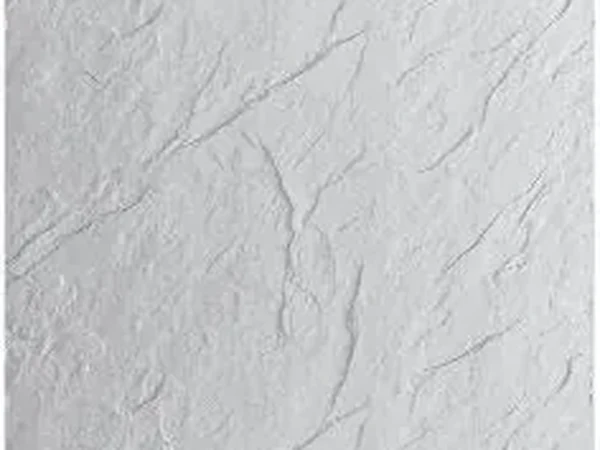
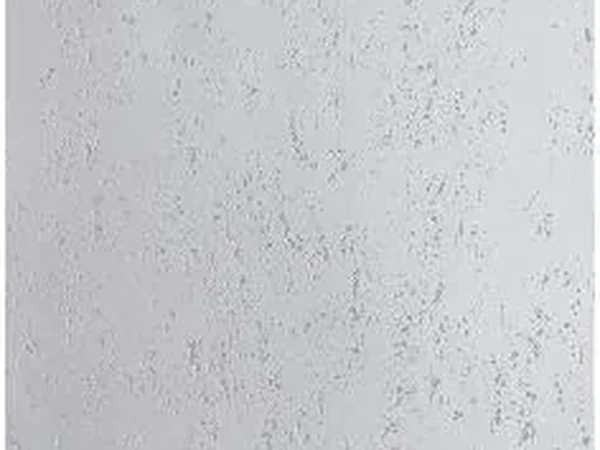
Procurement handoff: send the column diameter or curved-wall radius, wall height, substrate type, preferred finish, indoor/outdoor exposure and approximate area with your project quote request. For initial finish selection, request physical samples and compare travertine-look finishes with slate-look textures. These links are for visual selection, not a claim that every finish has an identical bend limit.
The substrate has to carry the geometry
Flexible surface sheets do not correct an unstable or poorly formed base. The substrate should be stable, sufficiently even, clean and compatible with the selected primer and adhesive. Curved drywall, plaster, boards or formed panels may all behave differently.
Plan seams, corners and visual direction
On curved walls, seam location can be more visible because light rakes across the surface. Before ordering, decide where seams can logically terminate, how patterns should run and whether a joint should align with an architectural break.
| Detail | What to decide |
|---|---|
| Vertical seam | Whether it falls in a shadow line, panel break or continuous visible field. |
| Inside / outside corner | Whether the sheet wraps, terminates or meets another finish. |
| Pattern direction | How veining, linear texture or relief should flow around the curve. |
| Edge condition | How exposed edges meet metal trim, paint, millwork or adjacent cladding. |
Use a sample and a small mock-up
A hand sample is useful for color and tactile review, but a curved project benefits from a small physical mock-up at the intended radius. It can reveal whether the selected texture reads well on the curve, whether the edge remains clean and whether the installer is comfortable with the adhesive and pressure method.
Curved-wall specification checklist
- Confirm the exact surface family and finish code.
- Send the radius or diameter and a section drawing.
- Confirm substrate type and current condition.
- Review panel format and likely seam positions.
- Confirm compatible adhesive / primer route.
- Review a physical sample under project lighting.
- Build a representative radius mock-up before full production where geometry is critical.
Frequently asked questions
Can flexible stone wrap a round column?
Many flexible surface families can follow round columns, but the permitted radius varies. Confirm the actual column diameter and selected finish before approval.
Should the installer heat the panel to make it bend?
Do not assume heat is required or permitted. Installation methods vary by product construction. Follow the selected family’s current installation guidance.
Where should seams go on a curved wall?
Prefer deliberate architectural locations: shadow lines, panel breaks, corners or less-visible areas. Mock up highly visible seams before final approval.
Turn the guide into a material shortlist.
Browse Lithvanta surface families, request physical samples, or send the project geometry and finish direction for a quotation.
Sources & further reading
- Lithvanta — current application and installation information
- Contouro — flexible natural stone veneer FAQs
Editorial note: Lithvanta uses AI-assisted research and drafting as part of its content workflow. Product facts are checked against current catalog data where available. Material-specific claims, test reports, exposure limits and installation systems should be confirmed for the exact family before specification. Read our editorial policy.