What matters in a commercial renovation
Material weight matters, but so do build-up, demolition, dust, substrate condition, installation access, durability, cleaning, fire requirements, finish quality and how quickly a space needs to return to service.
A hotel corridor, restaurant feature wall and retail flagship may all need different solutions even if each brief says “lightweight wall panel.”
Compare common wall-finish options
| Material direction | Strengths in renovation | Watch-outs |
|---|---|---|
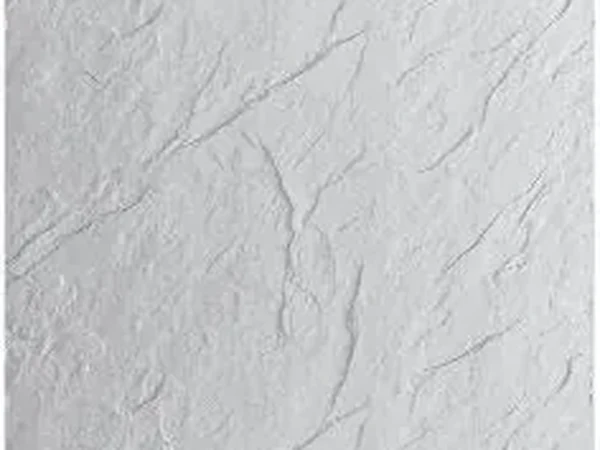
| Flexible stone / mineral surface | Thin build-up, curved geometry, stone/cement/earth aesthetics, bonded installation. | Exact product construction, radius, substrate, adhesive and exposure need confirmation. |
| Thin porcelain / ceramic | Durable hard surface, broad visual range, familiar specification route. | Rigid; curved work and site cutting can be more demanding. |
| Natural stone veneer | Genuine stone face and geological variation with less bulk than full slab. | Natural variation, backing / installation system and curvature limits vary by product. |
| WPC / PVC wall panels | Fast decorative coverage, common linear or slatted formats. | Different material character; fire, heat, impact and commercial suitability must match the project. |
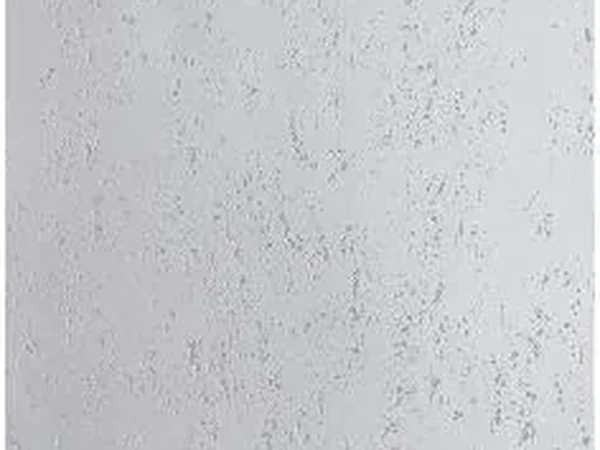
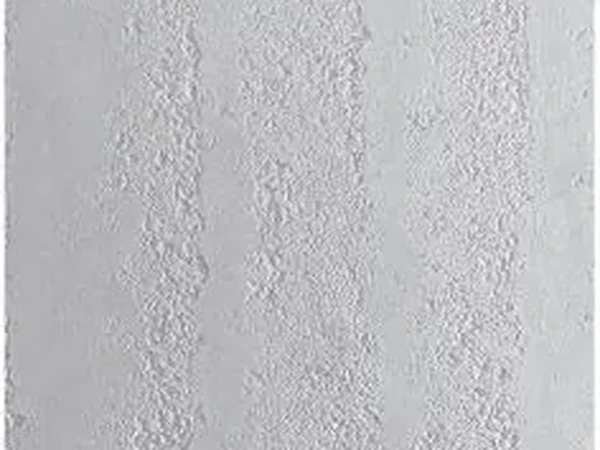
| Decorative plaster / microcement | Continuous finish with minimal joints and strong bespoke character. | Substrate preparation and skilled workmanship strongly affect the result. |
| Paint / wallcovering | Very low build-up and fast refresh for suitable spaces. | Does not provide the same tactile relief or material depth as cladding. |
Where flexible stone is particularly useful
Flexible surface systems become interesting when several constraints occur together: a stone-like or mineral aesthetic, a curved feature, limited build-up, a difficult-to-access interior, or a desire to retain a sound existing substrate.
- Curved reception desks and lobby walls
- Columns and rounded architectural features
- Hotel and restaurant refresh projects
- Retail feature walls and branded zones
- Existing walls where a suitable overlay route can reduce removal work
Downtime is an installation decision, not just a material decision
A thin finish can reduce handling and demolition, but a renovation still needs sequencing. Surface repair, curing, joint finishing, protection and access windows can affect how quickly the area returns to service.
A simple decision framework
If curves dominate
Start with flexible surface systems, formed plaster systems or other materials designed for radius work.
If genuine stone is mandatory
Start with natural stone or a documented natural-stone-faced veneer.
If hygiene / hard abrasion is primary
Evaluate porcelain, tile and other hard cleanable surfaces against the project standard.
If speed and low build-up dominate
Compare overlay-capable thin finishes, but verify the existing substrate first.
The best material is the one that satisfies the whole project constraint set, not the one with the lightest marketing claim.
Frequently asked questions
What is the best lightweight wall panel for hotel renovation?
There is no universal best choice. Hotel corridors, guestrooms, lobbies and wet areas have different requirements. Compare appearance, fire requirements, impact, cleaning, substrate and downtime.
Is flexible stone always lighter than porcelain?
Often the flexible category is thin and lower-bulk, but exact weight varies by product and panel format. Compare current data for the actual products being considered.
Can lightweight wall cladding reduce demolition?
It can when the existing substrate is sound and a compatible overlay system is appropriate. Failed or wet existing finishes still need repair or removal.
Turn the guide into a material shortlist.
Browse Lithvanta surface families, request physical samples, or send the project geometry and finish direction for a quotation.
Sources & further reading
Editorial note: Lithvanta uses AI-assisted research and drafting as part of its content workflow. Product facts are checked against current catalog data where available. Material-specific claims, test reports, exposure limits and installation systems should be confirmed for the exact family before specification. Read our editorial policy.